
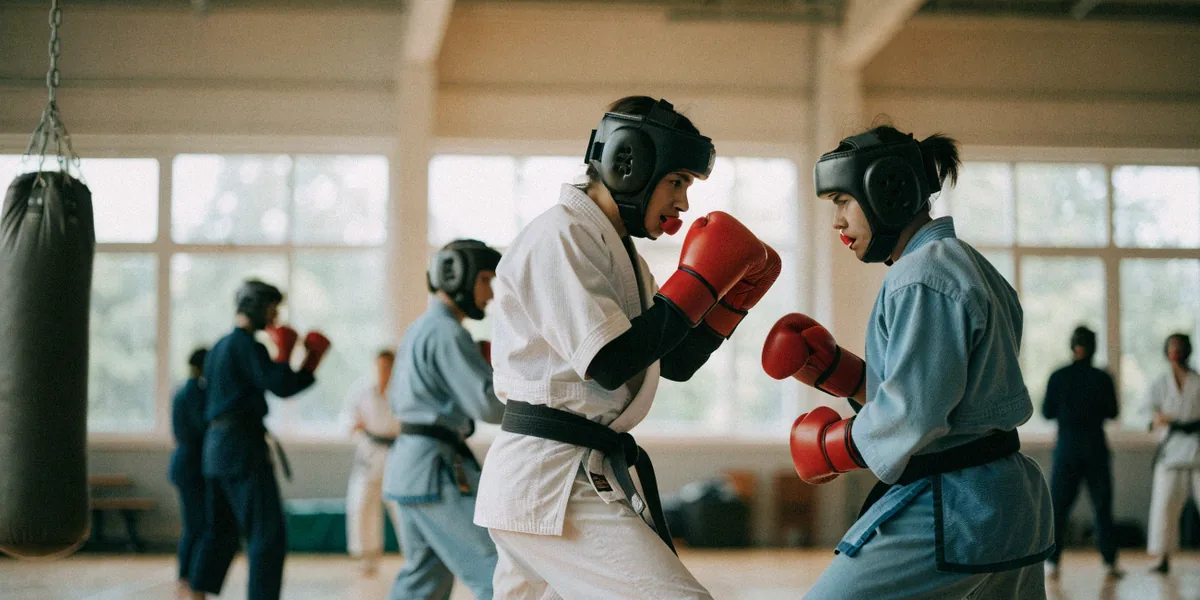
Sparring Tournament: How to Prepare for Competition Day
We still remember the knot in our stomachs before our first sparring tournament. The borrowed jacket that didn’t quite fit, the way our hands shook buckling the mask strap, the sudden realisation that all those drills in the salle were about to be tested against someone we’d never met. What surprised us most wasn’t the fencing — it was how much the day rewarded preparation. Fencers who had packed properly, slept well, warmed up with intent and kept their heads cool enjoyed themselves far more than those who simply turned up and hoped. This guide is what we wish someone had handed us before that first event, and it applies whether you’re stepping into your first pool at a local club competition or travelling to a major event.
Understanding the Tournament Format
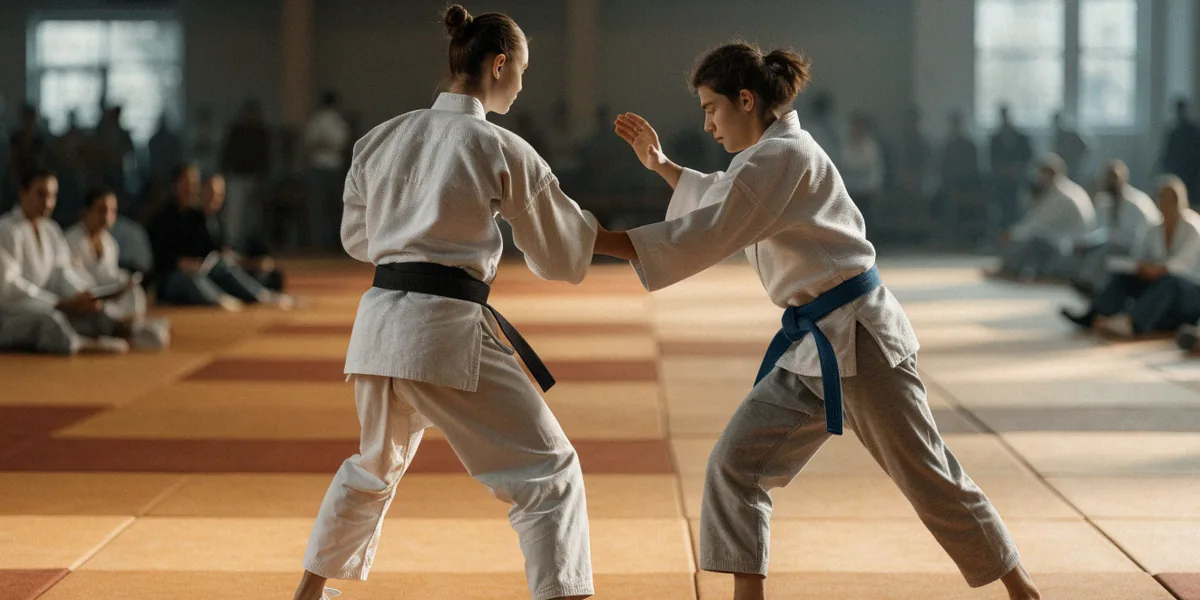
Most historical fencing competitions follow a structure borrowed from Olympic fencing, and knowing it in advance removes a huge amount of anxiety. Two formats dominate: pools and direct elimination. Events such as Swordfish, the UK’s largest HEMA event, and FightCamp in Kent use variations on these structures, so if you understand them once, you’ll recognise them almost anywhere.
Pool Rounds and Seeding
In a pool round, you’re grouped with four to seven other fencers and everyone bouts everyone else, usually to a set number of points or a fixed time. Results are tallied — wins, points scored, points conceded — and used to seed you into the elimination bracket. This means every single point matters, even in a bout you’re clearly losing. A 5-3 defeat is worth far more to your ranking than a 5-0 collapse. We treat pools as a warm-up with consequences: a chance to test timing, read unfamiliar opponents and settle the nerves before the pressure really builds.
Direct Elimination and Finals
Once seeding is done, it’s knockout fencing. Lose and you’re out — or you drop into a consolation bracket, depending on the event. Bouts are typically longer, often best of three rounds or first to a higher point total. This is where fitness and tactical discipline show. At the UK HEMA Championships, the step up in intensity between pools and eliminations is noticeable, and fencers who’ve paced themselves in the morning consistently outperform those who emptied the tank early.
Essential Gear and Equipment Checks
Nothing ends a tournament day faster than a failed gear check. Scrutineers will inspect your mask, jacket, gloves and weapon before you’re allowed on the piste, and standards are enforced strictly at major events. Buy quality once and look after it.
Weapon and Protective Gear
Your minimum kit is a fencing mask rated for the weapon system you’re using, a puncture-resistant jacket, appropriate gloves, and a weapon in good condition. For longsword and similar systems, add knee and elbow protection, a gorget and a rigid chest protector if required. British suppliers like Leon Paul produce excellent masks, jackets and gloves that meet competition standards, while Black Armoury is a strong option for HEMA-specific swords, feders and protective gear. Check the event’s ruleset before you travel — requirements differ between organisations.
Spare Parts and Repair Kit
We never travel without a repair kit. A snapped blade or a loose pommel mid-tournament is stressful enough without having to beg borrow tools from strangers.
- Spare blade or complete backup weapon
- Spare gloves and a second mask if you have one
- Hex keys, screwdriver, pliers and spare nuts and bolts
- Electrical tape, duct tape and a small file
- Spare laces, a towel and a water bottle
Physical and Mental Preparation
Tournament performance is built in the weeks before, not on the morning itself. Coaches at clubs like the London Historical Fencing Club emphasise structured preparation over last-minute cramming, and we’ve found that approach pays off.
Training and Tapering
In the final two weeks, shift from heavy conditioning to sharp, technical work. Shorter, more frequent sparring sessions with varied partners teach you to adapt quickly — exactly what pools demand. Reduce volume in the last few days, prioritise sleep, and avoid trying to learn new techniques. Tapering isn’t laziness; it’s how you arrive fresh.
Mental Readiness and Focus
Visualisation is one of the most underused tools in HEMA. Spend ten minutes a day mentally rehearsing your openings, your defence under pressure and how you’ll reset after conceding a point. Simple breathing techniques — four counts in, four counts hold, four counts out — help lower your heart rate between bouts. Arrive with a plan for the first exchange of every bout, and a routine for the thirty seconds after a lost point.
Day-Before and Morning-of Routine
The day before is for logistics, not training. Events like Bristol Blades have taught us that a calm, organised evening makes the difference between a sharp morning and a frantic one.
Packing and Logistics
Pack the night before and check everything against the event’s kit list. Confirm your travel, parking and registration times. Charge your phone, print or download your entry confirmation, and lay out your kit so nothing is hunted for at 6am. Eat a normal meal, avoid alcohol, and get an early night — eight hours if you can manage it.
Warm-Up and Arrival
Arrive early enough to register, change and walk the venue without rushing. A proper warm-up takes at least twenty minutes: jogging, dynamic stretches, footwork drills and a few slow exchanges with a training partner. Follow it with a good breakfast — something with slow-release energy, plus plenty of water. Don’t experiment with new food or caffeine levels on competition day.
During the Tournament: Strategy and Etiquette
Once the fencing starts, your job is to fence smart and behave well. Both matter equally in the HEMA community.
Adapting to Opponents
Use the first exchange of every bout to gather information. What’s their distance? Do they attack immediately or wait? Are they strong in the bind or fast in the retreat? Adjust rather than impose. Manage your energy across the day — pool bouts are short, so fence them at a sustainable pace rather than sprinting every exchange. Between bouts, sit down, breathe, drink and review what just happened.
Respecting Judges and Fencers
Sportsmanship is non-negotiable. Acknowledge hits, accept judges’ calls without argument, and thank your opponent and the officials after every bout. The atmosphere at events like the UK HEMA Championships depends on this mutual respect. If you disagree with a call, raise it calmly through the correct channel — never mid-bout, and never with hostility.
Post-Tournament Recovery and Learning
The tournament isn’t over when you leave the venue. How you recover and review determines how much you improve before the next one.
Physical Recovery
Rehydrate, eat protein and carbohydrates within an hour of finishing, and stretch gently. Bruises and strains are part of the sport — ice anything swollen, and take at least one full rest day afterwards. Sleep is the best recovery tool you have.
Analyzing Performance
Clubs like the School of the Sword build post-event analysis into their training culture, and we do the same. Watch your footage — if someone filmed you — and note patterns: which guards held up, which distances you misjudged, where you lost points repeatedly. Write down three things that worked and three to drill before your next event. Then share them with your training partners so the whole club improves.
Preparation is what turns pre-bout nerves into quiet confidence. You can’t control the draw, the judges or your opponent’s form on the day, but you can control your kit, your fitness, your focus and your attitude. Do those things well and the tournament becomes what it should be: a chance to test yourself, learn from every bout and enjoy the company of people who love historical fencing as much as you do.
FAQ
Do I need previous competition experience to enter a sparring tournament?
No. Most events, including many UK competitions, offer beginner-friendly pools or novice categories. If you’ve been training regularly and can spar safely, you’re ready to enter a local event and learn from the experience.
What equipment is mandatory at most HEMA tournaments?
At minimum: a fencing mask rated for your weapon, a puncture-resistant jacket, gloves and a weapon in good condition. Many events also require a gorget, knee protection and elbow protection. Always check the specific event’s ruleset before entering.
How should I prepare in the final week before a tournament?
Reduce training volume, focus on sharp technical work and light sparring, prioritise sleep, and avoid learning new techniques. Pack your kit early, plan your travel, and spend a few minutes each day visualising your game plan.
What should I do if I disagree with a judge’s call?
Accept the call in the moment and continue fencing. If you believe a rule was misapplied, raise it calmly with the tournament organiser or director after the bout, following the event’s official procedure. Arguing mid-bout damages your reputation and the atmosphere.
How soon after a tournament should I train again?
Take at least one full rest day, then return with light technical work before resuming normal sparring. Use your notes and any footage to set two or three specific goals for the next training block.