

Varusteet aloittelijalle: what you need and what you do not for historical fencing
Every week, someone emails us at the club with the same worried question: ”Do I need to buy a full harness before my first alkeiskurssi?” The short answer is no. You can walk through our door in Jyv?skyl? with indoor trainers, a water bottle and a willingness to learn, and we will kit you out with the basics for your first few sessions. Historical fencing has a reputation for being expensive, and it can be if you rush. But the sensible path is to borrow first, learn what you actually enjoy, and only then start spending. This guide explains what genuinely matters, what can wait, and how to avoid the classic beginner mistakes.
Start with what the club provides for your first alkeiskurssi
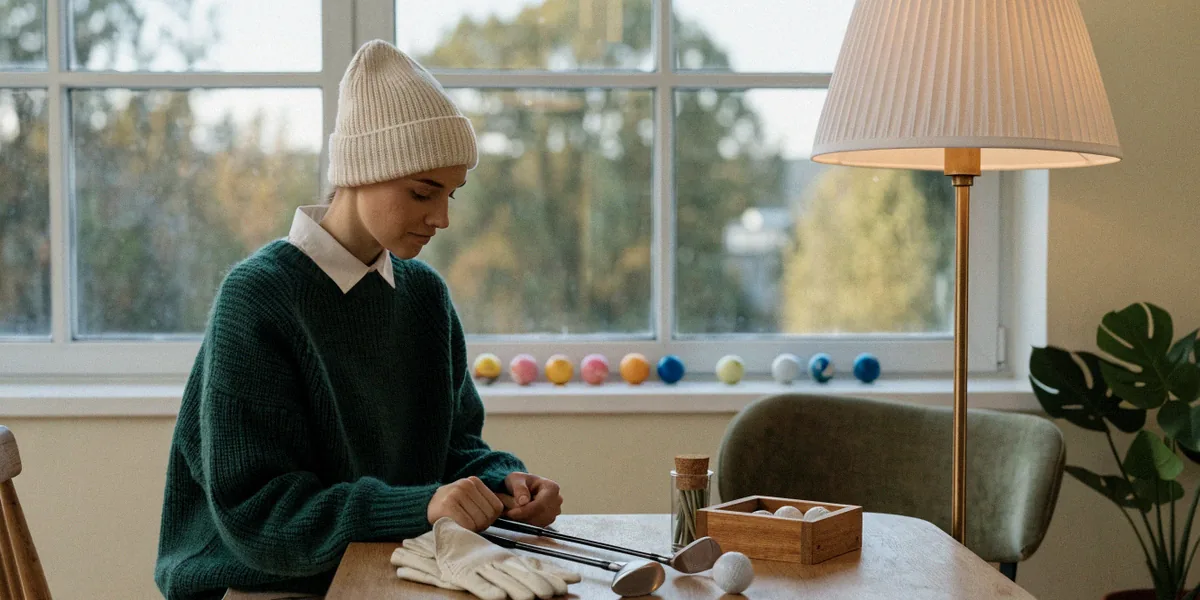
Our Jyv?skyl? club loans basic masks, gloves and synthetic swords for the beginner course, so no one is turned away by cost. We keep a stock of club kit specifically for newcomers, sized from small to extra-large, and it is included in your course fee. The aim is simple: you should be able to try historical fencing for several weeks before deciding whether to invest a single euro in personal equipment. If you later want to buy your own gear, UK suppliers like Leon Paul and Black Armoury are useful for later upgrades. Leon Paul is a well-known UK fencing equipment supplier based in London, and their masks and gloves are widely trusted in both sport and historical circles.
Loan gear and hygiene expectations
Shared kit works only when everyone respects it. We ask members to wear a clean t-shirt and to bring a thin cotton or synthetic head covering, such as a bandana or skullcap, to wear under loan masks. After each session, loan gloves and masks are wiped down and aired, and we rotate stock so nothing sits damp in a bag. If you have a skin condition or a cold, tell us before the session and we will find a workaround. Bringing your own thin gloves to wear inside club gauntlets is also welcome and costs very little.
What to bring to your first session
Your first session needs almost nothing beyond the following:
- Indoor training shoes with good grip and no marking soles
- A water bottle and a small towel
- A clean t-shirt and comfortable trousers you can lunge in
- A thin head covering for under the loan mask
- Any personal medication, plus a note of any injuries we should know about
That is genuinely it. Do not buy a sword, a gambeson or steel gauntlets before you have attended at least a few sessions. You will make better choices once you understand how the club trains.
Essential personal kit: mask, gloves and groin protection
Once you decide to continue, three items should be your first purchases: a mask, padded gloves and groin protection. These are the non-negotiable safety items. A 350N mask is the minimum for synthetic sparring, and an 800N mask is strongly recommended once steel enters the picture. UK Historical Fencing rules often require these even for synthetic sparring, so buying to that standard early saves you from replacing gear within a year.
Choosing a fencing mask that fits
Fit matters more than brand. The mask should sit snugly with the bib covering your throat, and the back strap should be adjustable without pinching. If the mask slides when you shake your head, it is too loose. If it presses hard on your forehead or ears after two minutes, it is too tight. Leon Paul masks are popular for good reason, but try several models if you can borrow from club members before ordering online. A poorly fitting 800N mask is less safe than a well-fitting 350N one.
Gloves for steel and synthetic blades
For synthetic swords, padded lacrosse or HEMA-specific gloves are usually enough. For steel, you need proper HEMA gloves with rigid protection over the fingers and thumb. Do not use thin leather work gloves for steel sparring. Expect to spend more here than on your mask, and expect to upgrade once you start doing serious longsword work. Red Dragon and similar entry-level gloves are fine for synthetics but should not be treated as steel-safe.
Protection you should never skip
Groin protection is mandatory for anyone sparring, regardless of gender, and a chest protector or padded jacket becomes important as intensity rises. Elbow and knee pads are cheap and prevent the nagging injuries that keep people off the piste for weeks. If you are unsure whether a piece of kit is required, ask a coach before the session rather than during it.
What you do not need to buy yet
We see beginners spend hundreds of euros in their first month and then drift away. Do not be that person. Custom steel longswords, full plate armour and expensive gambesons can all wait until you have tried our Jyv?skyl? training rhythm and know you will stick with it. Many UK beginners regret buying cheap wall-hangers instead of waiting for a quality federschwert from Szymon Chlebowski or Regenyei. Regenyei Armoury and Szymon Chlebowski are European makers often recommended for steel federschwert, and both hold their value far better than decorative swords.
Why steel can wait
Synthetic swords teach the same fundamental mechanics at lower speed and lower risk. They let you drill footwork, distance and blade control without the weight and momentum of steel. Most clubs, ours included, keep beginners on synthetics for months. Buying steel early usually means buying the wrong steel, because your preferences will change as your technique develops.
Avoiding cheap decorative swords
Wall-hangers and stainless-steel replicas are not training tools. They are often too heavy, badly balanced, and unsafe under any real impact. A €60 decorative longsword is money burned. If your budget is tight, save it and put it towards a proper feder later, or borrow club steel under supervision.
When to rent versus buy
Rent or borrow club gear for as long as it is available and fits you. Buy your own mask and gloves first, because those are personal hygiene items and fit-sensitive. Buy a jacket and steel sword last, once you know your preferred weapon and your size has stabilised. If you are between sizes or losing weight, renting is the smarter call.
Specialist kit for ratsumiekkailu and vaistojousiammunta
Mounted fencing and instinctive archery have extra requirements, such as riding helmets, suitable boots and archery tabs, and we coordinate with local stables and ranges in Jyv?skyl? before anyone buys gear. Do not order a riding helmet online before your first mounted session; come and try the club’s loan equipment and see what actually fits under a mask. UK-based groups like the British Horse Society and Archery GB offer useful safety guidance. The British Horse Society offers riding safety advice relevant to ratsumiekkailu training, and Archery GB is the UK governing body for archery and provides beginner safety guidance.
Ratsumiekkailu: helmet, boots and leg protection
For mounted work you need a properly fitted riding helmet to current standards, boots with a smooth sole and a defined heel, and leg protection that will not catch on the saddle. Gloves matter too, because reins and sword grips demand different things from your hands. We will not let anyone mount without checking helmet fit and footwear first.
Vaistojousiammunta: bows, arrows and tabs
Instinctive archery is friendlier to beginners than most people expect. Club bows in a range of draw weights are available, and you do not need to buy your own until you know your comfortable draw weight. A finger tab or glove, an arm guard and matched arrows are the first personal purchases. Avoid buying a heavy bow online; starting too heavy ruins form and is a common beginner error.
Cross-training between disciplines
Many of our members train both mounted fencing and archery, and the skills reinforce each other: balance, timing and calm under pressure. Cross-training is easier when you keep your kit modular, so a good helmet and gloves serve more than one discipline. Ask a coach before buying anything specialised for a second discipline.
Budgeting and sourcing gear in the UK and Finland
Compare prices from UK retailers such as Southern Swords and The Knight Shop with Finnish options before you commit. The Knight Shop and Southern Swords are UK retailers popular with historical fencing beginners, and both stock reliable entry-level masks, gloves and synthetics. Remember that shipping, customs and VAT affect the final cost, so a cheaper UK list price can end up more expensive than a Finnish supplier once it crosses the border.
New versus second-hand
Second-hand gear from club members is often the best value, especially for jackets, masks and synthetics. Inspect anything used carefully: check mask mesh for dents, straps for fraying, and gloves for compressed padding. Never buy a used helmet or mask that has taken a hard hit without a coach’s opinion.
Shipping and customs from the UK
Since Brexit, orders from UK shops to Finland can attract import VAT and handling fees. Factor roughly 24% VAT plus a carrier fee into your budget, and check whether the retailer offers a landed-cost option. Larger orders sometimes make sense, but only if you are certain about sizes.
Club bulk orders and discounts
We periodically organise club bulk orders to share shipping and sometimes secure a discount. If you are planning a first purchase, ask in the club chat before ordering alone. It is a simple way to save money and to get advice from members who already own the kit you are considering.
Usein kysytyt kysymykset
Do I need my own sword for the alkeiskurssi?
No. We loan synthetic swords, masks and gloves for the entire beginner course. Buy your own gear only once you have decided to continue.
Is a 350N mask enough, or do I need 800N?
A 350N mask is acceptable for synthetic sparring, but 800N is strongly recommended and often required once steel is involved. If you can afford it, buy 800N from the start.
Can I train ratsumiekkailu without riding experience?
Yes, but you will need to build basic riding confidence first. We coordinate with local stables in Jyv?skyl? and will guide you on helmet, boots and leg protection before you buy anything.
Should I buy a steel feder before my first session?
No. Wait until you have trained with synthetics and discussed weapon choice with a coach. Makers like Regenyei and Szymon Chlebowski are worth waiting for.
Where should I buy my first mask and gloves?
Try club loan gear for sizing, then compare Finnish suppliers with UK options such as Leon Paul, The Knight Shop and Southern Swords, remembering shipping, customs and VAT.
The best investment you can make is consistent attendance at our Jyv?skyl? alkeiskurssi. Gear should follow skill, not precede it. Borrow what we have, buy your mask and gloves when you are ready, and let the rest of your kit grow with your training.